Descrizione
Cos’è e dove si trova La Porta di Vallavena
La Porta di Vallavena”, è un antico sbarramento ancora perfettamente funzionante, che serviva a chiudere l´accesso al bosco, con lo scopo di proteggere la proprietà comunale dalle ruberie di legname. La struttura è costituita da una massiccia barriera di pietra che chiude la stretta imboccatura della valle che porta al monte Roen. Sono presenti solo due aperture: nella prima scorre il torrente Vallavena, mentre la seconda è chiusa da un massiccio portone in legno con serratura.
La porta di Vallavena rappresenta un importante testimonianza storica della grande importanza che tale sbarramento ha avuto, nella gestione della montagna e della ricchezza boschiva.
Si trova nella valle percorsa dal torrente Vallavena. Si può raggiungere, partendo da Amblar anche in macchina, mentre da Don solo a piedi, mtb, cavallo. E’ comunque consigliato non usare la macchina anche perché il parcheggio in prossimità della Porta è ridotto. Seguendo le relativa segnaletica, dal centro abitato di Amblar si arriva alla Porta, a piedi, in circa 20 minuti, mentre da Don in poco più di 30 minuti. Il primo tratto di percorso è nel centro abitato poi si prosegue immersi nel bosco ricco di flora e fauna.

tracciato in colore bianco: percorso da Amblar
tracciato in tratteggio bianco-rosso: percorso da Don
Visualizza la mappa su google maps
La storia

Non è nota la data né la causa che suggerì quest'opera. È importante sapere che è nominata già in un documento del 1451, dove si parla dei confini fra Principato vescovile e Principato tirolese.
Certamente la motivazione della costruzione di questa Porta è da ricercarsi nell’esigenza di salvaguardare i boschi locali e soprattutto vigilare sul taglio delle piante da legname.
Infatti all'epoca boschi e prati rappresentavano le ricchezze principali delle comunità montane.
Soprattutto il bosco era un bene prezioso.
Da esso la gente ricavava il legname, con il quale si poteva scaldare le case e ottenere un certo profitto nella vendita. Proprio per la sua importanza, in certi luoghi divenne un vero oggetto di contese.
Fin dall’anno 1000 la riserva forestale di Vallavena era gestita da tre comunità comproprietarie: Romeno, Don e Amblar. Nel 1300, in seguito a degli scontri, gli ultimi due paesi passarono sotto il controllo dei Conti del Tirolo, mentre Romeno rimase sotto l’influenza del principe Vescovo di Trento.
I rapporti per l’utilizzo del bosco si fecero tesi e scoppiarono liti che minacciarono di far cessare il clima di buon vicinato tra i villaggi. Per mettere fine a tutto ciò, in mezzo alla foresta, lungo il confine delle proprietà terriere, alzarono, la porta di Vallavena, con il compito di regolare il taglio del legname e far calmare le tensioni. Ogni sera, dopo aver fatto passare gli ultimi carri carichi di legna, si chiudevano i due portoni con una grande catena, la cui chiave era custodita nella chiesa di Santa Brigida a Don oppure consegnata a un custode, il gaggiaro”. Oggi tutto questo è rimasto solo un ricordo storico, ma la Porta di Vallavena rimane un'importantissima testimonianza del nostro passato, e varcandola ci si sente un po’ parte di quella storia che ha caratterizzato i paesi di Amblar, Don e Romeno.
L’importanza del bosco

Da sempre il bosco di questo territorio ed in particolare della Vallavena rappresenta una ricchezza per la Comunità. Accanto all’agricoltura ed all’allevamento, l’utilizzazione dei prodotti forestali costituiva infatti il un pilastro sul quale si reggeva l’economia della vecchia Amblar. Già nelle Carte di Regola è data grande importanza ai boschi, ai pascoli, alle malghe e alla Porta di Vallavena ed in particolare alla gestione sull’utilizzo delle piante da legname. Tuttora la lavorazione del “legname” costituisce una significativa fonte di reddito per le locali aziende del settore.
Il lavoro del boscaiolo, ieri


Il lavoro del boscaiolo fino agli anni ’60 un tempo era veramente faticoso.
Il taglio degli alberi veniva eseguito con la scure. A partire dai primi decenni del ‘900 venne introdotto il segone che permetteva notevole risparmio di tempo. Fra gli attrezzi che si usavano c’erano i “cunei” per tenere rialzato il tronco durante il taglio; lo zappino che serviva per spostare i tronchi e l’accetta per la sramatura. Una volta a terra, la pianta veniva spostata a mano con lo zappino, si procedeva quindi con il segone al taglio del tronco, in varie lunghezze, secondo le esigenze: 4-6-8 metri. I tronchi tagliati si accatastavano nel bosco e poi caricati sui carri trainati da buoi o cavalli si portavano nelle segherie situate lungo il corso del torrente Linor.
Il trasporto del legname in inverno


Il lavoro del boscaiolo, oggi


I tagli del legname si fanno nella bella stagione, escluso l’inverno. Si tagliano prevalentemente piante di abete rosso e bianco, utilizzato come legname da opera per ottenere i cosidetti “segati”: travature, assi, imballaggi, bancali…ecc; mentre il faggio viene tagliato esclusivamente per legna da ardere. Gli scarti, derivati dalla lavorazione del legname, vengono invece trasformati in “cippato”. Le lavorazioni del legname nel bosco, vengono svolte da aziende specializzate, mediante l’uso di specifiche e moderne attrezzature: motoseghe; gru a cavo e/o trattore vericello; escavatore con processore..ecc. Il trasporto avviene con autocarri o trattori con semirimorchio. Il legname da opera è lavorato prevalentemente da aziende della zona(alta Val di Non) e localmente dalle aziende del Comune di Amblar-Don. Il legname proviene quasi esclusivamente dal bosco di Vallavena, proprio per il suo prospero e ricco bosco e per la sua facile accessibilità.
La vegetazione ad alto fusto della Vallavena

Una delle differenze fra abete rosso e bianco è il portamento dei rami: nell’abete rosso quelli principali sono orientati verso l’alto e quelli secondari sono penduli, mentre l’abete bianco li ha esclusivamente orizzontali.
La Vallavena è una valle ricca di vegetazione. Fra le piante ad alto fusto troviamo l’abete rosso, l’abete bianco ed il faggio. Significativa è la presenza del faggio nella parte bassa della valle, dove trova un ambiente umido e abbastanza fresco, così pure per l’abete rosso. Nella parte alta invece prevale il larice. Lungo le rive del torrente troviamo piante a basso fusto e cespugliose quali il nocciolo e l’ontano che prediligono appunto le zone lungo i corsi d’acqua.
Gli animali della Vallavena

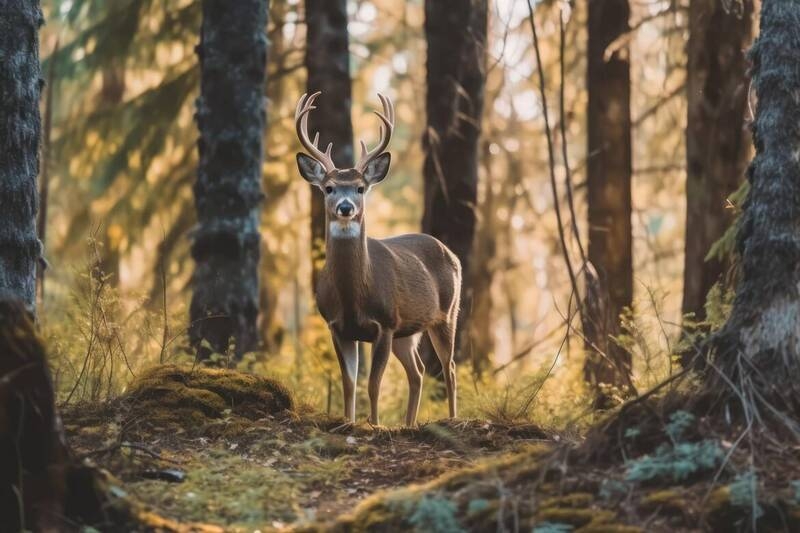
In settembre, ottobre durante il periodo degli amori la valle, specialmente lungo il corso del rio Avena, è molto frequentata dai cervi ed è possibile sentire i loro bramiti.


L’astore si può trovare nei boschi fitti. Roditori e piccoli volatili, le sue principali prede.
La tranquillità della valle dovuta alla scarsa presenza dell’uomo è favorevole all’insediamento di varie specie di animali. Nella parte alta della valle “pascolano” i camosci, mentre più in basso troviamo, la presenza significativa di cervi, meno di caprioli. Non mancano la lepre, la volpe ed il tasso.
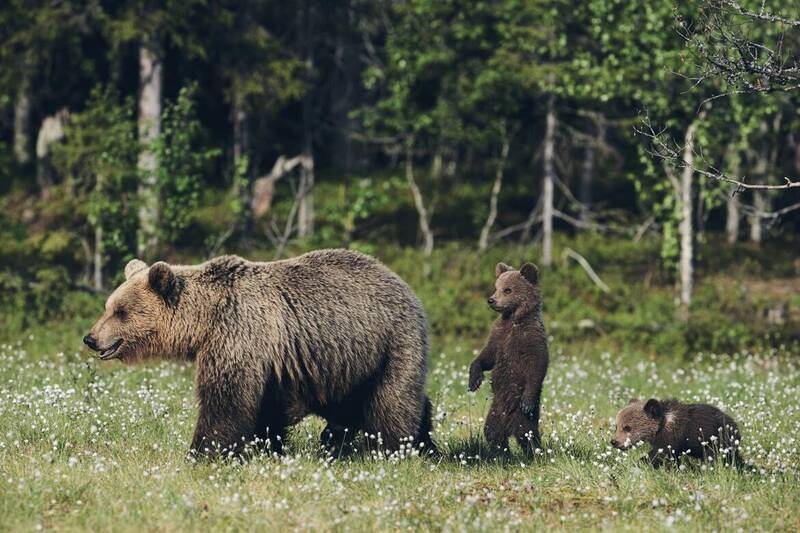
La presenza del lupo si limita a pochi esemplari. L’orso non staziona abitualmente in valle, ma l’attraversa per lo più nei suoi spostamenti da un versante all’altro, tentando, per l’occasione, di assalire gli alveari, peraltro ben difesi da filo elettrico per animali.
Fra gli uccelli troviamo diversi esemplari di picchio verde, nero e rosso e fra i “notturni” l’allocco e la civetta nana. Vicino all’abitato, in prossimità del bosco, staziona la poiana. Nella fitta boscaglia volteggia l’astore, a caccia di topi e piccoli volatili, mentre il gallo cedrone e il gallo forcello, in seguito all’aumento della temperatura, si sono spostati nelle zone più alte. A volte si sente lo stridio dell’aquila, che scende dalle cime del Roen per cacciare qualche camoscio.
 Description
What and where La Porta di Vallavena is
The Porta di Vallavena is an ancient gate still in perfect working order that was built to block access to the woodlands, with the aim of preventing timber theft on communal land. The structure consists of a massive stone barrier that closes the narrow mouth of the valley leading to Monte Roen. It has only two openings: the Vallavena stream flows through one and the other is closed by a massive wooden gate with a lock.
The Vallavena gate is an important historical testimony to the great importance that this barrier played in management of the mountain and the wealth represented by its woodlands.
It is located in the valley crossed by the Vallavena stream and can even be reached by car from Amblar, while from Don only on foot, mountain bike or horseback. However, driving here is not recommended as there is very little parking available near the gate. Following the signs from the centre of Amblar, it takes about 20 minutes on foot to reach the gate, while from Don it takes just over 30. The first section of the route goes through the village and then it continues through the wood with its wealth of flora and fauna.
solid white line: route from Amblar
dotted red and white line: route from Don
History
When and why the gate was built is unknown. It is important to know that it was noted in a document from 1451, which mentions the borders between the Episcopal Principality and the Tyrolean Principality.
Certainly, the motivation for construction of this gate was the need to safeguard the local woods and, above all, to monitor the cutting of timber trees.
At the time in fact, woods and meadows represented the main wealth of mountain communities.
Woods were an especially valuable commodity.
They provided the timber that people could use to heat their homes and make a certain profit from its sale. Precisely because of its importance, in certain places it became an object of contention.
As far back as the year 1000, the Vallavena forest reserve was managed by three co-owning communities: Romeno, Don e Amblar. In 1300, following clashes, the latter two villages came under the control of the Counts of Tyrol, while Romeno remained under the influence of the Prince-Bishop of Trento.
Relations over the use of the woodland became strained and quarrels broke out, threatening to end the good-neighbourly atmosphere between the villages. To put an end to this, they built the gate of Vallavena in the middle of the woods, along the boundary of the landed estates, with the aim of regulating the cutting of timber and calming tensions. Every evening, after the last wagons laden with wood had passed through, the two gates were locked with a large chain, the key to which was kept in the church of Santa Brigida in Don or given to a caretaker, the gaggiaro. Today, all this is merely a memory from history, but the Porta di Vallavena remains a very important testimony to our past and stepping through makes you feel like a small part of the history that characterised the villages of Amblar, Don and Romeno.
The importance of woodland
The woodlands in this area, and in particular in Vallavena, have always represented an asset for the community. Alongside agriculture and animal husbandry, the use of forest products was in fact a pillar for the economy of old Amblar. The 'Carte di Regola' or charters of rules, already attached great importance to the woodlands, pastures, herdsman's shelters and the Porta di Vallavena and, in particular, to management of how timber trees were used. To this day, the processing of 'timber' constitutes a significant source of income for local businesses in the sector.
The woodcutter’s job, yesterday
Until the sixties, the work of the woodcutter used to be really strenuous.
The trees were cut with an axe until the crosscut saw was introduced the early decades of the twentieth century, which saved a lot of time. Among the tools used were wedges to hold the trunk up during felling, a hookaroon for handling the trunks and an axe for limbing. Once on the ground, the tree was moved by hand with a hookaroon, and the trunk cut up using a crosscut saw into different lengths as required: 4-6-8 metres. The cut logs were piled up in the wood and then loaded onto oxen or horse-drawn carts and taken to the sawmills along the Linor stream.
Transporting timber in winter
Timber cutting is done in the warm season, never in winter. The trees mainly cut are the Norway spruce and silver fir used by the construction industry to make what is known as sawn timber: beams, planks, packaging, pallets, etc., while beech is cut exclusively for firewood. The waste from timber processing is instead transformed into wood chip. The processing of timber in the wood is carried out by specialist companies, using specific modern equipment: chainsaws, cable cranes and/or winch tractors; diggers with processors etc. The timber is then transported by lorries or tractors with a semi-trailer. The timber is mainly processed by companies in the area (upper Non Valley) and locally by companies in the municipality of Amblar-Don. The timber comes almost exclusively from the Vallavena woodland, due to its prosperous rich vegetation and easy accessibility.
Tall trees in Vallavena
The Vallavena is a valley rich in vegetation. Tall trees that grow here include the spruce, silver fir and beech. The latter grows abundantly in the damp, fairly cool lower part of the valley, as does the spruce. Whereas the larch prevails higher up. Along the banks of the stream grow shorter trees and bushy plants such as the hazel and the alder, which prefer areas beside watercourses.
The animals in Vallavena
The scarce presence of man and consequent peace and quiet of this valley make it a favourable habitat for various animal species. Chamois graze in the upper part of the valley, while lower down there are many deer and also roe deer, but in smaller numbers. There are also plenty of hares, foxes and badgers, but only a few wolves.
Bears are not habitual residents of the valley, most just pass through as they move from one slope to the other, attempting, on occasion, to attack the beehives, which are, however, well defended by electric animal fences.
Birds here include several specimens of green, black and red woodpeckers, and nocturnal species like the tawny owl and the pygmy owl. Buzzards also roost close to the towns, near the woods. The goshawk soars over the dense woodland, hunting mice and small birds, while the capercaillie and black grouse have moved higher up due to the warmer temperatures. Sometimes the eagle can be heard screeching as it flies down from the peaks of the Roen to hunt chamois.
 Beschreibung
Was die Porta di Vallavena ist und wo sie sich befindet
Die Porta di Vallavena ist ein altes, noch funktionstüchtiges Tor zum Wald, das zum Schutz des Gemeindeeigentums vor Holzdiebstahl errichtet wurde. Das Bauwerk besteht aus einer massiven Steinbarriere, die den engen Taleingang, der zum Berg Roen führt, verschließt. Es gibt zwei Öffnungen: Durch die eine fließt der Bach Vallavena, die andere ist durch ein massives Holztor versperrbar.
Die Porta di Vallavena ist ein wichtiges historisches Zeugnis. Diese Barriere war für die Bewirtschaftung der Berge und Wälder von großer Bedeutung.
Sie befindet sich im Tal, durch das der Bach Vallavena fließt. Sie ist von Amblar aus mit dem Auto und von Don aus nur zu Fuß, mit dem Mountainbike oder zu Pferd erreichbar. Von der Anreise mit dem Auto wird jedoch abgeraten, auch weil die Parkmöglichkeiten in der Nähe des Tores begrenzt sind. Folgt man der Beschilderung, erreicht man das Tor zu Fuß von Amblars aus in etwa 20 Minuten, von Don aus in etwas mehr als 30 Minuten. Der erste Teil des Weges führt durch den Ortskern, dann durch den Wald, der reich an Flora und Fauna ist.
Strecke weiß schraffiert: Route von Amblar
Strecke weiß-rot schraffiert: Route von Don
Sehen Sie sich die Karte auf Google Maps an
Geschichtliches
Weder das Datum noch der Anlass, der zu diesem Bau geführt hat, sind bekannt. Es ist jedoch wichtig zu wissen, dass es bereits in einer Urkunde aus dem Jahre 1451 erwähnt wird, in der die Grenzen zwischen dem Fürstbistum und dem Fürstentum Tirol festgelegt wurden.
Der Grund für den Bau dieses Tores ist sicherlich in der Notwendigkeit zu suchen, die heimischen Wälder zu schützen und vor allem den Holzeinschlag zu kontrollieren.
Die Wälder und Wiesen stellten damals den größten Reichtum der Berggemeinden dar.
Vor allem der Wald war ein kostbares Gut.
Er lieferte den Menschen das Holz, mit dem sie ihre Häuser heizen und das sie verkaufen konnten. Gerade wegen seiner Bedeutung wurde er mancherorts zum Streitobjekt.
Bereits um das Jahr 1000 wurde das Waldreservat von Vallavena von drei Gemeinden gemeinsam verwaltet: Romeno, Don und Amblar. Im Jahr 1300 gingen die beiden letztgenannten Orte nach Streitigkeiten an die Grafen von Tirol über, während Romeno unter dem Einfluss des Fürstbischofs von Trient blieb.
Die Beziehungen über die Nutzung des Waldes waren angespannt und es kam zu Streitigkeiten, die das gute nachbarschaftliche Verhältnis zwischen den Dörfern zu zerstören drohten. Um dem ein Ende zu setzen, errichteten sie mitten im Wald, an der Grenze der Grundstücke, das Vallavena-Tor, das die Holznutzung regeln und die Spannungen abbauen sollte. Jeden Abend, nachdem der letzte Holzwagen das Tor passiert hatte, wurden die beiden Torflügel mit einer langen Kette geschlossen. Der Schlüssel wurde in der Kirche Santa Brigida in Don aufbewahrt oder einem Wächter, dem „gaggiaro“, übergeben. Heute ist all dies nur noch eine historische Erinnerung, aber die Porta di Vallavena bleibt ein wichtiges Zeugnis unserer Vergangenheit. Geht man durch das Tor, spürt man ein wenig von der Geschichte, die die Dörfer Amblar, Don und Romeno geprägt hat.
Die Bedeutung des Waldes
Der Wald in diesem Gebiet, insbesondere in Vallavena, war immer eine Bereicherung für die Gemeinschaft. Neben Ackerbau und Viehzucht war die Nutzung der Waldprodukte ein wichtiger Pfeiler der Wirtschaft im alten Amblar. Bereits in der „Carte di Regola“ (Satzungen) wird den Wäldern, den Weiden, den Almen und der Porta di Vallavena, insbesondere der Holznutzung, große Bedeutung beigemessen. Auch heute noch stellt die Verarbeitung von „Holz“ eine wichtige Einnahmequelle für die lokalen Betriebe dieser Branche dar.
Die Arbeit des Holzfällers gestern
Bis in die 1960er Jahre war die Arbeit des Holzfällers sehr anstrengend.
Die Bäume wurden mit der Axt gefällt. In den ersten Jahrzehnten des 20. Jahrhunderts wurde die Motorsäge eingeführt, die eine große Zeitersparnis mit sich brachte. Zu den Werkzeugen gehörten Keile, um den Stamm während des Fällens aufrecht zu halten, die Hacke zum Bewegen des Stammes und die Axt zum Entasten. Sobald der Baum auf dem Boden lag, wurde er von Hand mit der Hacke bewegt und dann mit der Säge in verschiedene Längen geschnitten, je nach Bedarf: 4-6-8 Meter. Die gefällten Stämme wurden im Wald aufgestapelt, auf Ochsen- oder Pferdekarren geladen und zu den Sägewerken entlang des Linòr-Baches transportiert.
Holztransport im Winter
Der Holzeinschlag findet in der warmen Jahreszeit statt, mit Ausnahme des Winters. Es werden hauptsächlich Fichten und Tannen geerntet, die als Bauholz für die Herstellung von so genanntem „Schnittholz“ verwendet werden: Balken, Bretter, Verpackungen, Paletten usw., während die Buche ausschließlich als Brennholz genutzt wird. Die bei der Holzverarbeitung anfallenden Abfälle werden stattdessen zu „Hackschnitzeln“ verarbeitet. Die Aufarbeitung des Holzes im Wald erfolgt durch spezialisierte Unternehmen, die mit modernen Spezialgeräten arbeiten: Kettensägen, Seilkräne und/oder Seilschlepper, Bagger mit Prozessor etc. Der Transport erfolgt mit Lastwagen oder Zugmaschinen mit Sattelaufliegern. Das Holz wird hauptsächlich von Unternehmen aus der Region (oberes Nonstal) und von lokalen Unternehmen in der Gemeinde Amblar-Don verarbeitet. Das Holz stammt fast ausschließlich aus dem Wald von Vallavena, da es sich um einen reichen und gut zugänglichen Wald handelt.
Die Hochwaldvegetation der Vallavena
Die Vallavena ist ein Tal mit reicher Vegetation. Hochstämmige Bäume sind Rotfichte, Weißtanne und Buche. Charakteristisch ist das Vorkommen der Buche im unteren Teil des Tals, wo sie ebenso wie die Fichte ein feuchtes und relativ kühles Klima vorfindet. Im oberen Teil dominiert dagegen die Lärche. Entlang der Bäche finden sich niederstämmige Bäume und Sträucher wie Hasel und Erle, die bevorzugt die Uferbereiche von Fließgewässern besiedeln.
Die Tiere von Vallavena
Der Habicht ist ein Bewohner dichter Wälder. Seine Hauptbeute sind Nagetiere und Kleinvögel.
Die Ruhe des Tales, bedingt durch die geringe Anwesenheit des Menschen, begünstigt die Ansiedlung verschiedener Tierarten. Im oberen Teil des Tals „weiden“ Gämsen, während im unteren Teil des Tals viele Hirsche und weniger Rehe leben. Auch Hasen, Füchse und Dachse sind nicht selten.
Das Vorkommen des Wolfes beschränkt sich auf wenige Individuen. Der Bär hält sich normalerweise nicht im Tal auf, sondern durchquert es meist auf seinen Wanderungen von einem Hang zum anderen und versucht gelegentlich, die Bienenstöcke plündern, die jedoch gut mit elektrischem Tierdraht verteidigt werden.
Unter den Vögeln finden wir mehrere Exemplare von Grün-, Schwarz- und Rotspecht und unter den „Nachtschwärmern“ den Waldkauz und den Zwergkauz. In der Nähe der Siedlung, am Waldrand, schwebt der Mäusebussard. Im dichten Dickicht sucht der Habicht nach Mäusen und Kleinvögeln, während Auerhuhn und Birkhuhn wegen der steigenden Temperaturen in höhere Lagen gezogen sind. Manchmal hört man den Adler von den Gipfeln des Roen herabschweben, um Gämsen zu jagen.